


 Free Newsletter

10 South Carolinians face pregnancy-related charges after Dobbs ruling
South Carolina Lawyers Weekly staff//October 14, 2024//

10 South Carolinians face pregnancy-related charges after Dobbs ruling
South Carolina Lawyers Weekly staff//October 14, 2024//


 Listen to this article
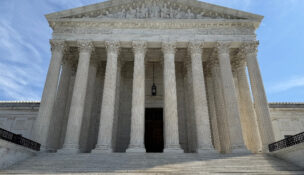
South Carolina is one of the handful of states that has charged women with pregnancy-related crimes in the year after the U.S. Supreme Court handed down its Dobbs decision, the South Carolina Daily Gazette website reported.
Prepared by Pregnancy Justice, a nonprofit group that advocates for women’s rights, including abortion, the report says that 10 women in South Carolina were prosecuted from June 24, 2022, when the Dobbs v. Jackson Women’s Health Organization ruling was announced, to June 23, 2023. The ruling, which said states had the authority to set law on access to abortion, overturned the 1973 ruling in Roe v. Wade, which sharply limited government authority over abortion access.
By far, Alabama had most of the prosecutions, 104, followed by Oklahoma with 68. Ohio had seven, and Mississippi and Texas had six each, the report says. Cases also were documented in California, Idaho, Kentucky, New Mexico, Pennsylvania and Wyoming.
However, almost none of the prosecutions were brought under state abortion laws. Rather, the women charged faced counts such as child neglect or endangerment, where the definition of “child” was interpreted to include a fetus.
South Carolina has had a six-week abortion ban since August 2023; however, it makes clear that a woman cannot be prosecuted for undergoing the procedure.
“All six of the states that accounted for most of the cases cited in the study have fetal personhood language baked into their laws,” the Daily Gazette reported. “Seventeen states have laws with broad fetal personhood language that could apply to all criminal laws, according to an analysis by Pregnancy Justice.”
South Carolina’s six-week abortion ban law defines pregnancy as “having a living unborn child within her body.”
Related Content





Business Law
- Economy forces attorneys to get down to business
- Business Court judges trawl for customers
- Va. company's Web site did not subject business to personal jurisdiction in S.C., appeals panel rules
- Former running back from S.C. wins courtroom victory in contract dispute
- Contract – Government Contract – Qui Tam – False Claims Act
- Licenses & Permits – Beer & Wine Permit – Restrictive Covenant – Suitable Location
- Consumer Protection – FCRA – Auto Loan – Bank Accounting Errors
- Licenses & Permits – Veterinarian – Vaccine Maintenance
- Tort – Business Tort – Va. Computer Crimes Act – Trade Secrets
- Textile firm, railroad settle Graniteville train wreck lawsuit
- State regulators look at car dealer accused of lying to customers
- Subprime mortgage meltdown hits securities law


Commentary
- When not to believe (your lyin’ eyes)
- Conduct a technology audit to improve law firm efficiency
- When the client brings ChatGPT to the consultation
- Where is she now, this model who was so beautiful?
- Content Marketing: Where law firms lose referrals and how to prevent it
- Your best people are not leaving for more money — they are leaving because you stopped paying attention
- Best at Work Insights: The choice we’re making about AI
- Beyond burnout: The case for workplaces where people thrive
- The December question every leader should anticipate
- Best at Work Insights: Don’t Import 996: Why America Should Reject Overwork Culture
- Law ‘n History: The beer, scandal and haunted mansion of the Lemp dynasty
- Using QALY to quantify emotional distress in legal cases
Polls
 Loading ...


SC Lawyers Weekly keeps you connected with the latest legal news, Daily Practice and Breaking
News alerts.
Sign-up for SC Lawyers Weekly Email Alerts
