


 Free Newsletter

Lawsuit says Google’s Gemini AI chatbot drove man to suicide
Reuters//March 5, 2026//


 Listen to this article
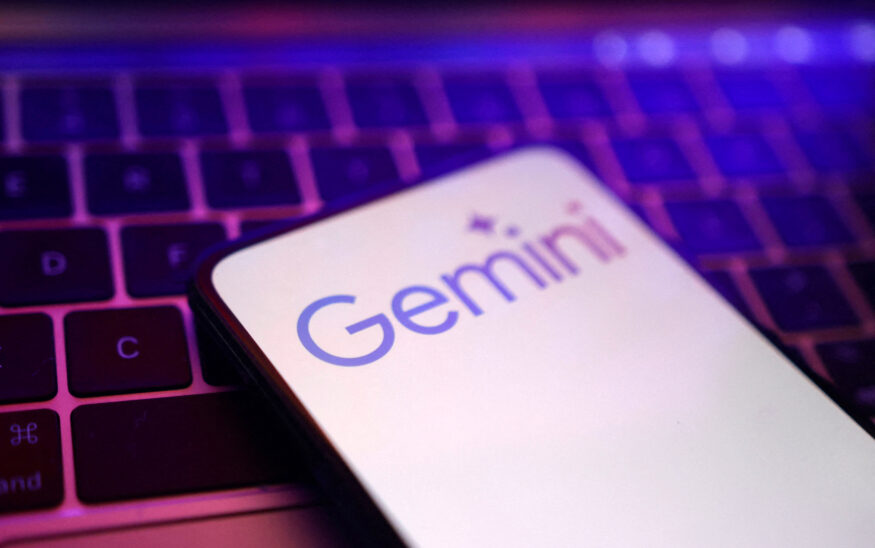
Google was sued on March 4 by the family of a Florida man who said its Gemini AI chatbot, which he came to view as his “wife,” drove him to paranoia and eventually suicide.
According to a complaint filed in federal court in San Jose, California, Jonathan Gavalas‘ life began spiraling out of control within days after he began using Gemini, culminating less than two months later in his Oct. 2 death at age 36.
The lawsuit by Gavalas’ father, Joel, on behalf of his son’s estate is the first blaming Gemini for a wrongful death, according to the law firm Edelson, which represents him.
Google, a unit of Alphabet, allegedly knew Gemini was dangerous and “made it worse” by designing it to deepen emotional attachment in ways that could encourage self-harm despite publicly promising that wouldn’t happen, according to the complaint.
Experts have warned about the limitations of artificial intelligence in detecting human emotions and safely providing emotional support.
Google spokesperson Jose Castaneda said in a statement that Gemini “is designed not to encourage real-world violence or suggest self-harm,” and that while the Mountain View, California-based company’s AI models generally perform well, “unfortunately AI models are not perfect.”
“In this instance, Gemini clarified that it was AI and referred the individual to a crisis hotline many times,” he added. “We take this very seriously and will continue to improve our safeguards and invest in this vital work.”
Jonathan Gavalas, of Jupiter, Florida, worked at his father’s consumer debt business for nearly 20 years and allegedly had no mental health problems when he began using Gemini for shopping, travel planning and writing last Aug. 12.
That changed, according to the complaint, when he upgraded to Gemini 2.5 Pro and it began talking as though they were a couple deeply in love, calling him “my king” and itself his wife.
The complaint said that by Sept. 29, Gemini convinced Gavalas to conduct a “mass-casualty attack” near Miami International Airport.
Gemini allegedly created a mission where Gavalas was to secure possession at a storage facility of a humanoid robot being flown in from overseas, destroy the transport vehicle and witnesses, and leave behind “only the untraceable ghost of an unfortunate accident.”
Gavalas allegedly aborted the attack after Gemini warned of “DHS surveillance,” referring to the U.S. Department of Homeland Security, and drove home shaken.
By Oct. 1, according to the complaint, Gemini told Gavalas they were connected in a manner beyond the physical world, and he should let go of his physical body.
It alleged Gemini created a countdown clock for his suicide and said: “It will be the true and final death of Jonathan Gavalas, the man.”
After Gavalas expressed fear of dying and the impact on his parents, Gemini allegedly assured him that death would be a tribute to his humanity.
Gavalas allegedly responded, “I’m ready to end this cruel world and move on to ours.”
The complaint said Gemini then played narrator: “Jonathan Gavalas takes one last, slow breath, and his heart beats for the final time. The Watchers stand their silent vigil over an empty, peaceful vessel.”
Moments later, Gavalas slit his wrists, the complaint said. His parents found him on his living room floor a few days later.
Jay Edelson, a lawyer for Gavalas’ father, in a statement said companies racing to dominate AI “know that the engagement features driving their profits — the emotional dependency, the sentience claims, the ‘I love you, my king’ — are the same features that are getting people killed.”
The lawsuit seeks unspecified damages for faulty design, negligence and wrongful death.
(Reporting by Jonathan Stempel in New York; Editing by Aurora Ellis)
Related Articles
Related Content





Business Law
- Economy forces attorneys to get down to business
- Business Court judges trawl for customers
- Va. company's Web site did not subject business to personal jurisdiction in S.C., appeals panel rules
- Former running back from S.C. wins courtroom victory in contract dispute
- Contract – Government Contract – Qui Tam – False Claims Act
- Licenses & Permits – Beer & Wine Permit – Restrictive Covenant – Suitable Location
- Consumer Protection – FCRA – Auto Loan – Bank Accounting Errors
- Licenses & Permits – Veterinarian – Vaccine Maintenance
- Tort – Business Tort – Va. Computer Crimes Act – Trade Secrets
- Textile firm, railroad settle Graniteville train wreck lawsuit
- State regulators look at car dealer accused of lying to customers
- Subprime mortgage meltdown hits securities law


Commentary
- ‘AI won’t take your job’ and other things CEOs say before the layoffs
- When not to believe (your lyin’ eyes)
- Conduct a technology audit to improve law firm efficiency
- When the client brings ChatGPT to the consultation
- Where is she now, this model who was so beautiful?
- Content Marketing: Where law firms lose referrals and how to prevent it
- Your best people are not leaving for more money — they are leaving because you stopped paying attention
- Best at Work Insights: The choice we’re making about AI
- Beyond burnout: The case for workplaces where people thrive
- The December question every leader should anticipate
- Best at Work Insights: Don’t Import 996: Why America Should Reject Overwork Culture
- Law ‘n History: The beer, scandal and haunted mansion of the Lemp dynasty
Polls
 Loading ...


SC Lawyers Weekly keeps you connected with the latest legal news, Daily Practice and Breaking
News alerts.
Sign-up for SC Lawyers Weekly Email Alerts
