


 Free Newsletter

Tribe may pursue repatriation claim for Native American remains
South Carolina Lawyers Weekly staff//May 21, 2026//
Tribe may pursue repatriation claim for Native American remains
South Carolina Lawyers Weekly staff//May 21, 2026//


 Listen to this article
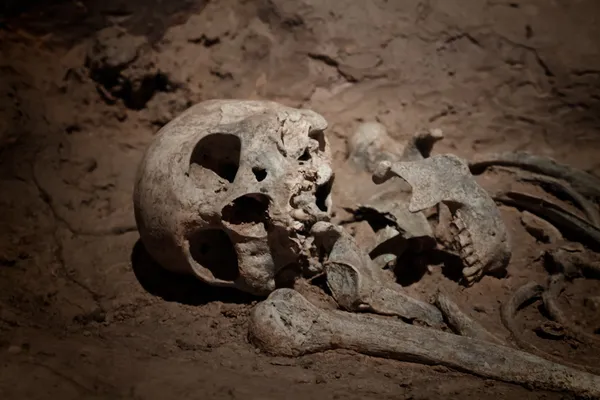
The 4th U.S. Circuit Court of Appeals revived a lawsuit brought by the plaintiff tribe seeking the return of the remains of two Native American boys who died at a federal Indian boarding school in the late nineteenth century, holding that the plaintiff plausibly alleged a right to repatriation under the Native American Graves Protection and Repatriation Act (NAGPRA). The court vacated dismissal of the action and concluded that the defendants may be obligated to return the remains because they could qualify as part of a federal “holding or collection” subject to the statute’s repatriation requirements.
The dispute arose from the deaths of two children from the Winnebago Tribe of Nebraska who had been removed from their families and enrolled at the Carlisle Indian Industrial School, one of the federal boarding schools created to assimilate Native American children. According to the complaint, the boys died while attending the school and were buried without the knowledge or consent of their families or tribe and contrary to tribal customs and religious practices. Their remains later were moved to another Army cemetery during a reorganization of the burial grounds.
The plaintiff sought repatriation under NAGPRA, a 1990 federal statute addressing Native American human remains and cultural artifacts held by federal agencies and museums. The defendants argued the statute applies only to remains contained in agency “holdings or collections” and not to remains interred in cemeteries. A U.S. District Court accepted that argument and dismissed the complaint.
The 4th Circuit disagreed, concluding the complaint plausibly alleged that the remains fell within NAGPRA’s coverage. The court held that the statutory language and regulations could encompass intentionally accumulated human remains maintained by a federal agency, including remains located in a cemetery. The panel further emphasized that Congress enacted NAGPRA to remedy historical mistreatment and exploitation of Native American remains and found the allegations consistent with the type of historical injustice the statute was intended to address.
The 41 page opinion is Winnebago Tribe of Nebraska v. United States Department of the Army, Lawyers Weekly No. 001-171-26.
Related Articles
Related Content





Business Law
- Economy forces attorneys to get down to business
- Business Court judges trawl for customers
- Va. company's Web site did not subject business to personal jurisdiction in S.C., appeals panel rules
- Former running back from S.C. wins courtroom victory in contract dispute
- Contract – Government Contract – Qui Tam – False Claims Act
- Licenses & Permits – Beer & Wine Permit – Restrictive Covenant – Suitable Location
- Consumer Protection – FCRA – Auto Loan – Bank Accounting Errors
- Licenses & Permits – Veterinarian – Vaccine Maintenance
- Tort – Business Tort – Va. Computer Crimes Act – Trade Secrets
- Textile firm, railroad settle Graniteville train wreck lawsuit
- State regulators look at car dealer accused of lying to customers
- Subprime mortgage meltdown hits securities law


Commentary
- ‘AI won’t take your job’ and other things CEOs say before the layoffs
- When not to believe (your lyin’ eyes)
- Conduct a technology audit to improve law firm efficiency
- When the client brings ChatGPT to the consultation
- Where is she now, this model who was so beautiful?
- Content Marketing: Where law firms lose referrals and how to prevent it
- Your best people are not leaving for more money — they are leaving because you stopped paying attention
- Best at Work Insights: The choice we’re making about AI
- Beyond burnout: The case for workplaces where people thrive
- The December question every leader should anticipate
- Best at Work Insights: Don’t Import 996: Why America Should Reject Overwork Culture
- Law ‘n History: The beer, scandal and haunted mansion of the Lemp dynasty
Polls
 Loading ...


SC Lawyers Weekly keeps you connected with the latest legal news, Daily Practice and Breaking
News alerts.
Sign-up for SC Lawyers Weekly Email Alerts
