


 Free Newsletter


Supreme Court to hear Chevron coastal damage appeal
The Associated Press//June 17, 2025//


 Listen to this article
SUMMARY
- SCOTUS to decide if Chevron’s coastal lawsuits belong in federal court
- $740M jury verdict already awarded in Plaquemines Parish case
- Dozens of environmental lawsuits against oil firms stem from land loss
- Chevron argues federal contractor status should shift venue
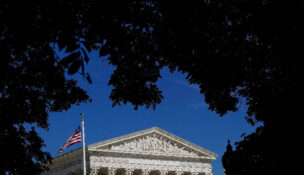
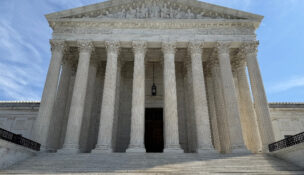
The Supreme Court announced on June 17 it will hear an appeal from Chevron, Exxon and other oil and gas companies that lawsuits seeking compensation for coastal land loss and environmental degradation in Louisiana should be heard in federal court.
The companies are appealing a 2024 decision by a federal appeals court that kept the lawsuits in state courts, allowing them to move to trial after more than a decade in limbo.
A southeast Louisiana jury then ordered Chevron to pay upwards of $740 million to clean up damage to the state’s coastline. The verdict reached in April was the first of dozens of lawsuits filed in 2013 against leading oil and gas companies in Louisiana alleging they violated state environmental laws for decades.
While plaintiffs’ attorneys say the appeal encompasses at least 10 cases, Chevron disagrees and says the court’s ruling could have broader implications for additional lawsuits.
Chevron argues that because it and other companies began oil production and refining during World War II as a federal contractor, these cases should be heard in federal court, perceived to be friendlier to businesses.
But the plaintiffs’ attorneys — representing the Plaquemines and Jefferson Parish governments — say the appeal is the companies’ latest stall tactic to avoid accountability. The U.S. Court of Appeals for the Fifth Circuit already rejected similar arguments from Chevron.
In April, jurors in Plaquemines Parish found that energy giant Texaco, acquired by Chevron in 2001, had for decades violated Louisiana regulations governing coastal resources by failing to restore wetlands impacted by dredging canals, drilling wells and billions of gallons of wastewater dumped into the marsh.
Louisiana’s coastal parishes have lost more than 2,000 square miles (5,180 square kilometers) of land over the past century, according to the U.S. Geological Survey, which has also identified oil and gas infrastructure as a significant cause. The state could lose another 3,000 square miles (7,770 square kilometers) in the coming decades, its coastal protection agency has warned.
Chevron’s attorneys had argued that land loss in Louisiana was caused by other factors and that the company should not be held liable for its actions prior to the enactment of a 1980 environmental law requiring companies to obtain permits and restore land they had used.
Related Articles
Related Content




Business Law
- Economy forces attorneys to get down to business
- Business Court judges trawl for customers
- Va. company's Web site did not subject business to personal jurisdiction in S.C., appeals panel rules
- Former running back from S.C. wins courtroom victory in contract dispute
- Contract – Government Contract – Qui Tam – False Claims Act
- Licenses & Permits – Beer & Wine Permit – Restrictive Covenant – Suitable Location
- Consumer Protection – FCRA – Auto Loan – Bank Accounting Errors
- Licenses & Permits – Veterinarian – Vaccine Maintenance
- Tort – Business Tort – Va. Computer Crimes Act – Trade Secrets
- Textile firm, railroad settle Graniteville train wreck lawsuit
- State regulators look at car dealer accused of lying to customers
- Subprime mortgage meltdown hits securities law


Commentary
- ‘AI won’t take your job’ and other things CEOs say before the layoffs
- When not to believe (your lyin’ eyes)
- Conduct a technology audit to improve law firm efficiency
- When the client brings ChatGPT to the consultation
- Where is she now, this model who was so beautiful?
- Content Marketing: Where law firms lose referrals and how to prevent it
- Your best people are not leaving for more money — they are leaving because you stopped paying attention
- Best at Work Insights: The choice we’re making about AI
- Beyond burnout: The case for workplaces where people thrive
- The December question every leader should anticipate
- Best at Work Insights: Don’t Import 996: Why America Should Reject Overwork Culture
- Law ‘n History: The beer, scandal and haunted mansion of the Lemp dynasty
Polls
 Loading ...


SC Lawyers Weekly keeps you connected with the latest legal news, Daily Practice and Breaking
News alerts.
Sign-up for SC Lawyers Weekly Email Alerts
